
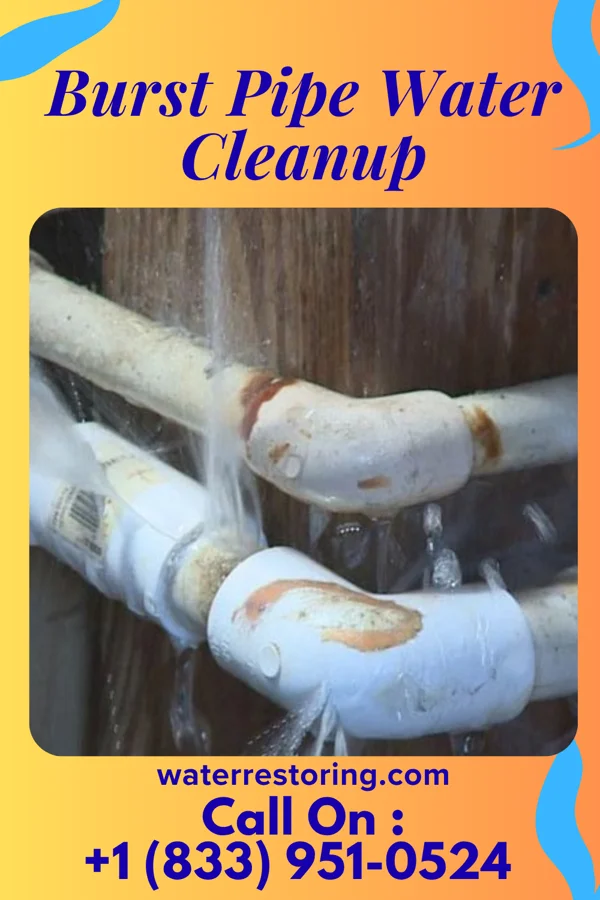
Bell Acres Pipe Burst Risk Drivers
Water damage in Bell Acres tends to cluster in predictable windows because of the local climate. Bell Acres, located in Allegheny County, experiences a mix of older infrastructure and rural settings, which can lead to pipe corrosion and bursting, especially in areas near Sewickley Heights and Edgeworth. The proximity to smaller towns like Leetsdale means some homes may have outdated plumbing systems that are more prone to failure during temperature fluctuations or heavy usage. A close second is The rural nature of Bell Acres, combined with its proximity to residential areas, increases the risk of pipe bursts due to limited access to modern plumbing upgrades. Additionally, the area’s seasonal changes, particularly during late spring and early fall, can cause unexpected pressure shifts in water lines, leading to potential bursts..
The climate in Bell Acres, PA, with its cold winters and warm summers, plays a significant role in pipe integrity. Residents should be aware of the seasonal risks associated with temperature changes and the potential for water damage during these periods.
The climate in Bell Acres, PA, with its cold winters and warm summers, plays a significant role in pipe integrity. Residents should be aware of the seasonal risks associated with temperature changes and the potential for water damage during these periods. The dominant local driver is Bell Acres, located in Allegheny County, experiences a mix of older infrastructure and rural settings, which can lead to pipe corrosion and bursting, especially in areas near Sewickley Heights and Edgeworth. The proximity to smaller towns like Leetsdale means some homes may have outdated plumbing systems that are more prone to failure during temperature fluctuations or heavy usage., with The rural nature of Bell Acres, combined with its proximity to residential areas, increases the risk of pipe bursts due to limited access to modern plumbing upgrades. Additionally, the area’s seasonal changes, particularly during late spring and early fall, can cause unexpected pressure shifts in water lines, leading to potential bursts. showing up as the next most common cause. Damage builds in stages. Spread. Absorption. Microbial growth. Structural compromise. Every stage you pass through adds to the final bill.